
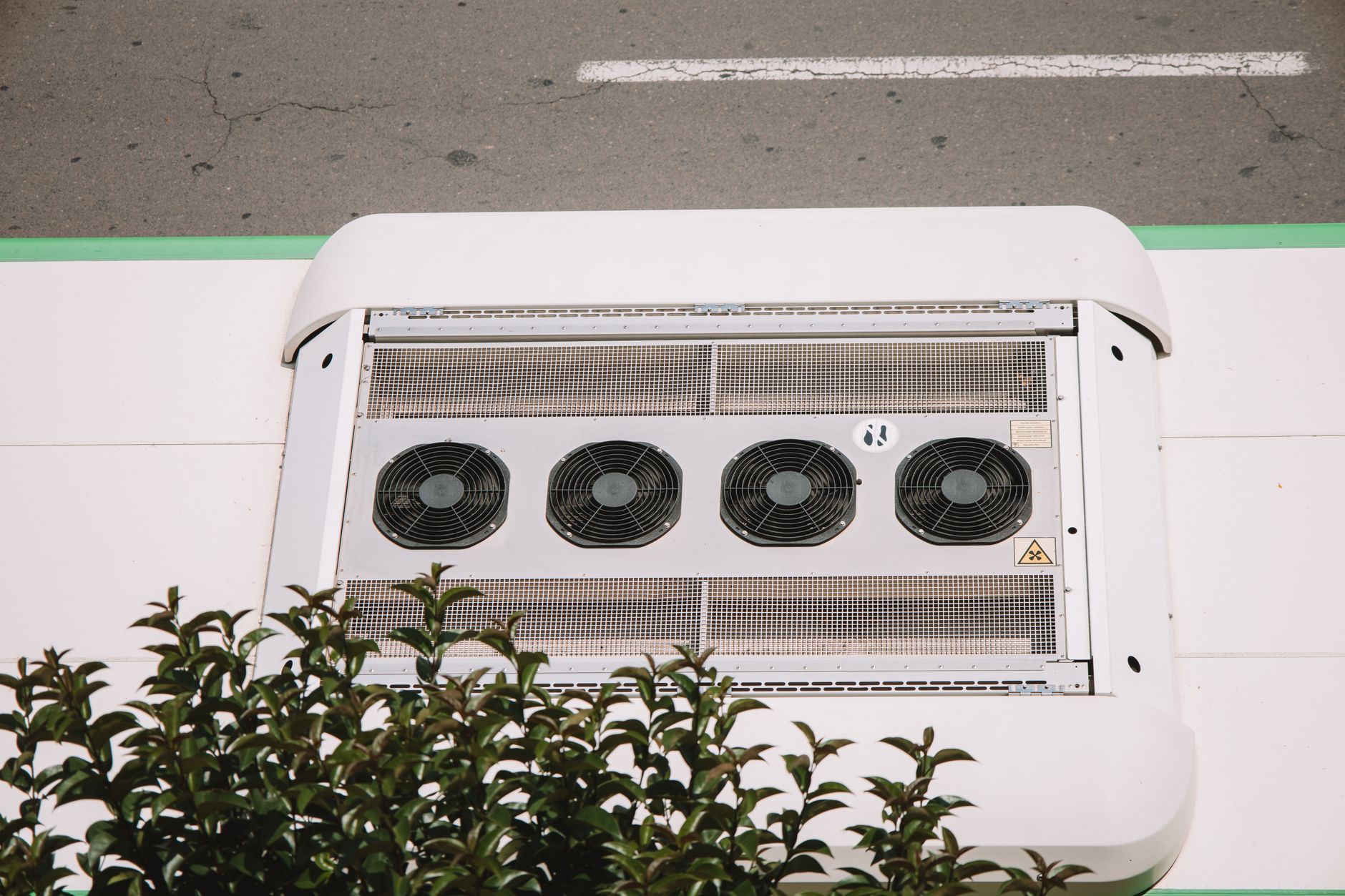
What it is
Central cooling plant — chillers, VRF and commercial refrigeration — keeps large spaces and processes stable. These systems reward engineering: correct selection, good hydronics and real control logic cut running cost year after year.
What is included
- Load and part-load study
- Plant and hydronic accessories
- Control sequences documented
- Commissioning with measured data
- Planned maintenance programme
How it works
Load and profile
We map peak load and part-load hours, because plant spends most of its life at part load.
Selection
We specify machines and pumps to run in their efficient range, not just at nameplate.
Installation
Plant, hydronics, insulation, controls and safety devices installed and documented.
Commissioning
We verify flows, temperature differentials and control sequences under real load.
Frequent questions
Why does part load matter?
Plant sized for a peak that occurs a few hours a year spends most of its time throttled. Selecting for part load is where the savings are.
How often should plant be serviced?
Commercial refrigeration and chiller plant need a planned programme, typically monthly checks with quarterly deeper interventions.
Can existing plant be improved without replacement?
Often yes. Control retrofits, variable-speed pumping and correct balancing frequently recover a lot of efficiency.
Related
| Line | Description | |
|---|---|---|
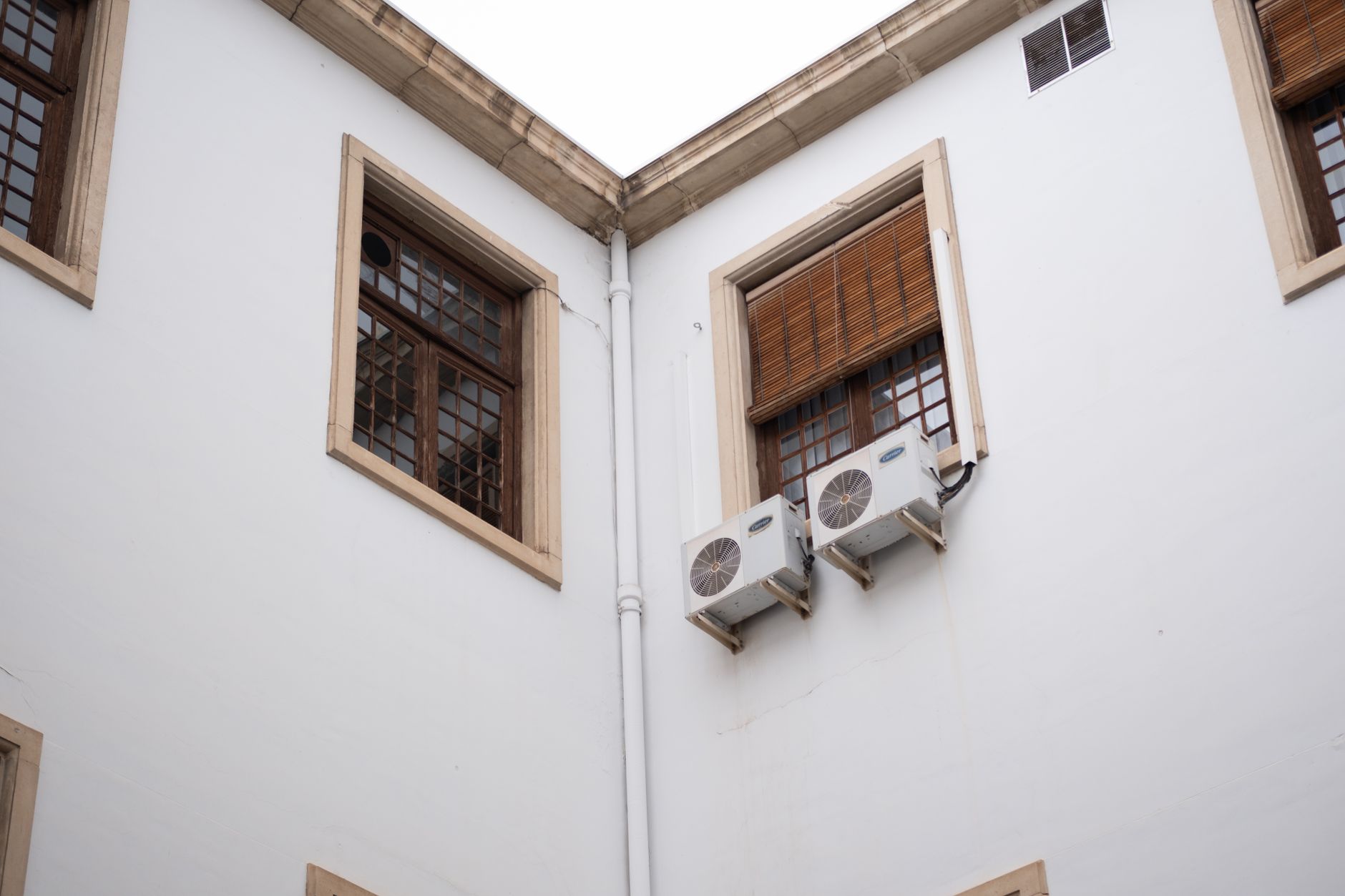 |
Room by room comfortSplit air conditioningSizing, supply and commissioning of split and multi-split systems. |
How it works → |
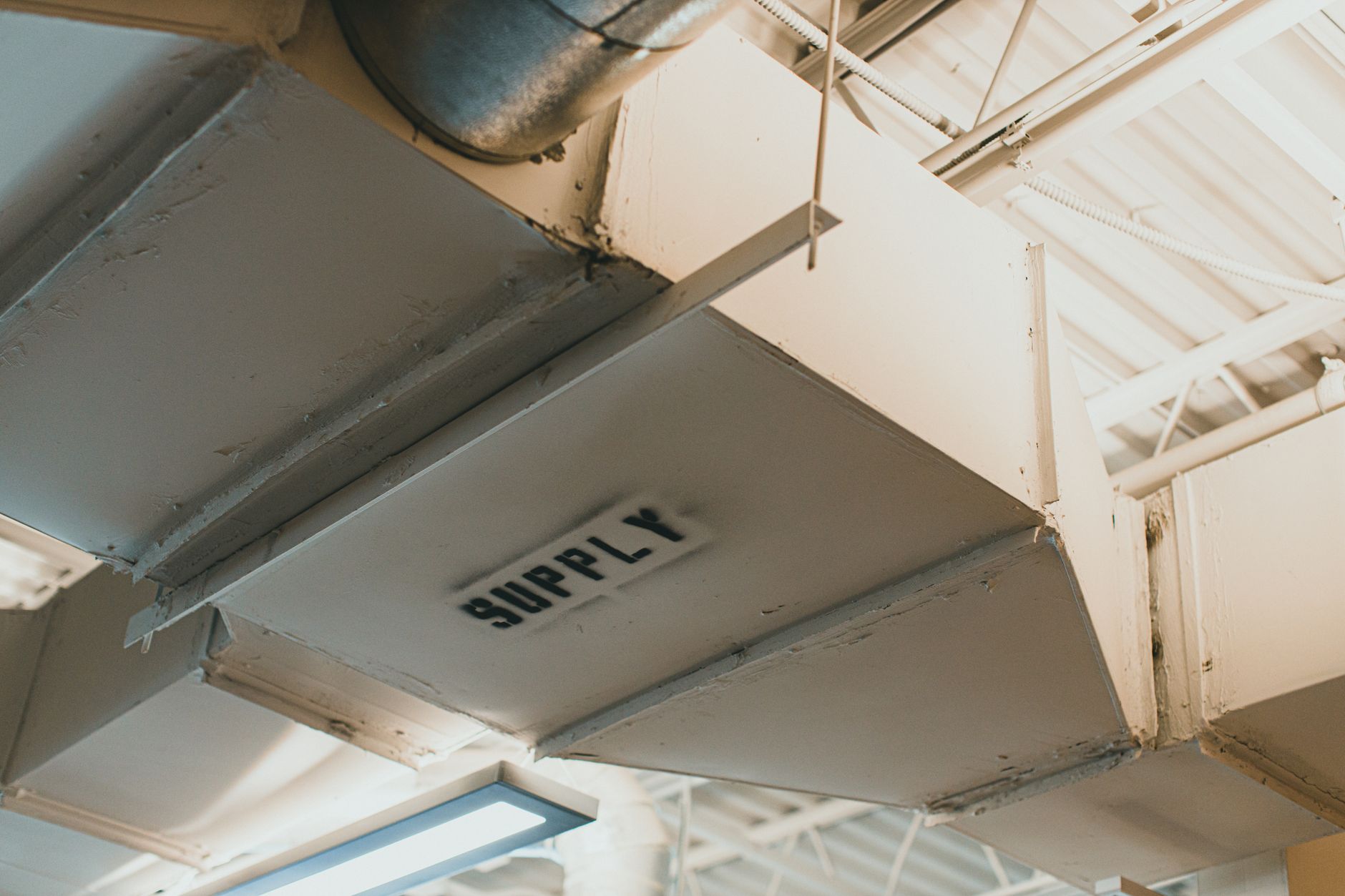 |
Air changes that complyVentilation and extractionMechanical ventilation, extraction and air balancing with measured results. |
How it works → |
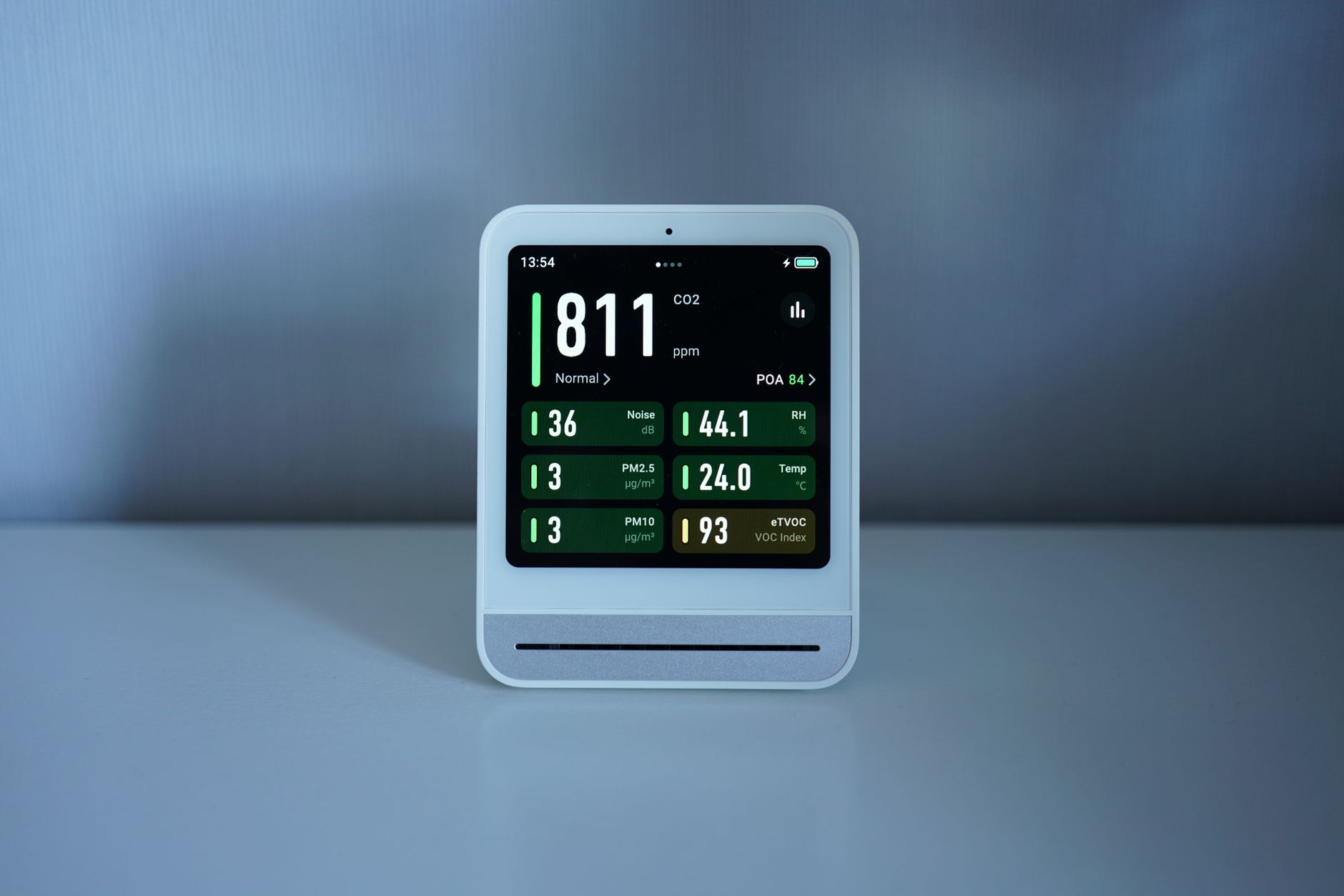 |
Comfort without wasteControls and automationControl strategies, scheduling and remote monitoring for cooling plant. |
How it works → |